Build what others won't
Recent jobs available
Check out our latest openings and grow your career with us.
Engineering at CodePrism
What the work is, who you'd work with, and what we expect you to own. Written for engineers deciding whether to apply, not for a recruitment brochure.
The work is production work
CodePrism was founded in 2019 by engineers who were tired of watching enterprises settle for software that looked impressive in proposals and crumbled under real load. That origin still decides what we take on, and therefore what you would work on. We build AI systems that process millions of calls per month, mobile platforms deployed across thousands of locations, and backend infrastructure that Fortune 500 companies depend on daily.
None of that is prototype work. It carries real uptime expectations, real users, and real consequences when something breaks outside business hours. If what you want is to build something that gets demoed once and archived, we are the wrong place. If you want the system you built to still be running in three years, with your name in the commit history, this is the right one.
Ownership, early and genuine
Engineers here own features end to end: the data model, the service, the interface, the deployment, and the incident at 2am if it comes to that. We are a team of engineers serving twelve or more clients across twenty-five plus delivered projects, which means nothing sits between your commit and the client depending on it, and there is no one to hand a half-finished problem to.
That is the fastest way to grow and also the most uncomfortable, so it comes with support. Code review here explains the reasoning rather than issuing a verdict. Both founders are engineers: Anupam spent more than twenty years at CISCO and Alcatel-Lucent before starting the company, and Godwin, our CTO, still personally architects platforms we ship. Technical decisions are made by people who will have to live with them.
Client engineering and our own products
Roughly speaking, the work splits two ways. Client engagements run in three shapes: fixed-scope delivery, agile sprint teams, and team extension where our engineers work inside a client's own organization. Alongside that we build the Prism product line, including PrismBot for on-premise AI conversations, PrismLMS for learning, and PrismWA for WhatsApp messaging at scale.
Most engineers touch both over time. Client work sharpens how you handle constraints, deadlines, and other people's legacy decisions. Product work sharpens how you think about a codebase you will still own next year. We move people between the two deliberately, because engineers who have only ever done one develop blind spots the other would have caught.
Where we work
We operate from Hyderabad, India, and Wyoming, USA. Being ISO 27001 certified shapes more of the day to day than you might expect: how client data is handled, which systems you get access to in your first week, and how much of our process is written down rather than carried around in someone's head.
Teams we hire for
Most openings land in one of these teams. Each links to the work that team actually does.
AI and machine learning
RAG pipelines, agent systems on LangGraph, and voice automation running at production volume. The hard parts here are retrieval quality, guardrails, and evaluation, not model selection.
Backend and cloud
Node.js, NestJS, Python, and Java services carrying real traffic, with the queueing, caching, and observability that keeps them upright when volume spikes.
Web engineering
React and Next.js applications built for real load and long maintenance windows, not for a launch-day screenshot.
Mobile engineering
Flutter and React Native apps that ship to devices you cannot reach or reboot yourself, where a bad release is expensive and a rollback is never instant.
Quality engineering
Automation, performance, and release confidence. QA here is an engineering discipline that owns the test infrastructure, not a manual pass at the end of a sprint.
Data and business intelligence
Pipelines, warehouses, and reporting layers that turn operational data into decisions leadership will actually act on.
UI and UX design
Interface and experience work for enterprise software, where the users are trained operators with targets to hit rather than casual visitors.
Architecture and delivery
Solution architects and scrum leads who own scope, sequencing, and the technical decisions a client will live with for years.
How our hiring process works
Application review
We read every application against the role it was sent for, and aim to come back within a week either way. No silent rejections.
Introductory conversation
Half an hour on your background, what you want to build next, and how we work. Bring questions. This runs in both directions.
Technical round
Depth in your core discipline, working through real code and real trade-offs. We are interested in your reasoning, not in what you have memorised.
Practical round
A problem close to what the team actually works on, solved alongside one of our engineers. Ask questions and look things up, exactly as you would on a working day.
Founder conversation
A closing conversation with Anupam or Godwin on where you fit and where you want to grow, followed by a decision and an offer.
Why you should join our team
We don't offer foosball tables. We offer interesting problems and the autonomy to solve them.
Enterprise-grade problems
Solve challenges that don't have Stack Overflow answers. Ship to Fortune 500 production systems every sprint.
Remote-friendly culture
Work from anywhere. We care about outcomes, not where you sit.
Learning & mentorship
Generous learning budget, weekly tech talks, and seniors who invest in your growth.
Competitive compensation
Salaries benchmarked to the top end of the market. No surprises, no lowballs.
Direct impact
Your code reaches millions of end users. No layers of abstraction between you and the outcome.
Long-term growth
Most engineers here grow into senior or leadership roles. We promote from within.
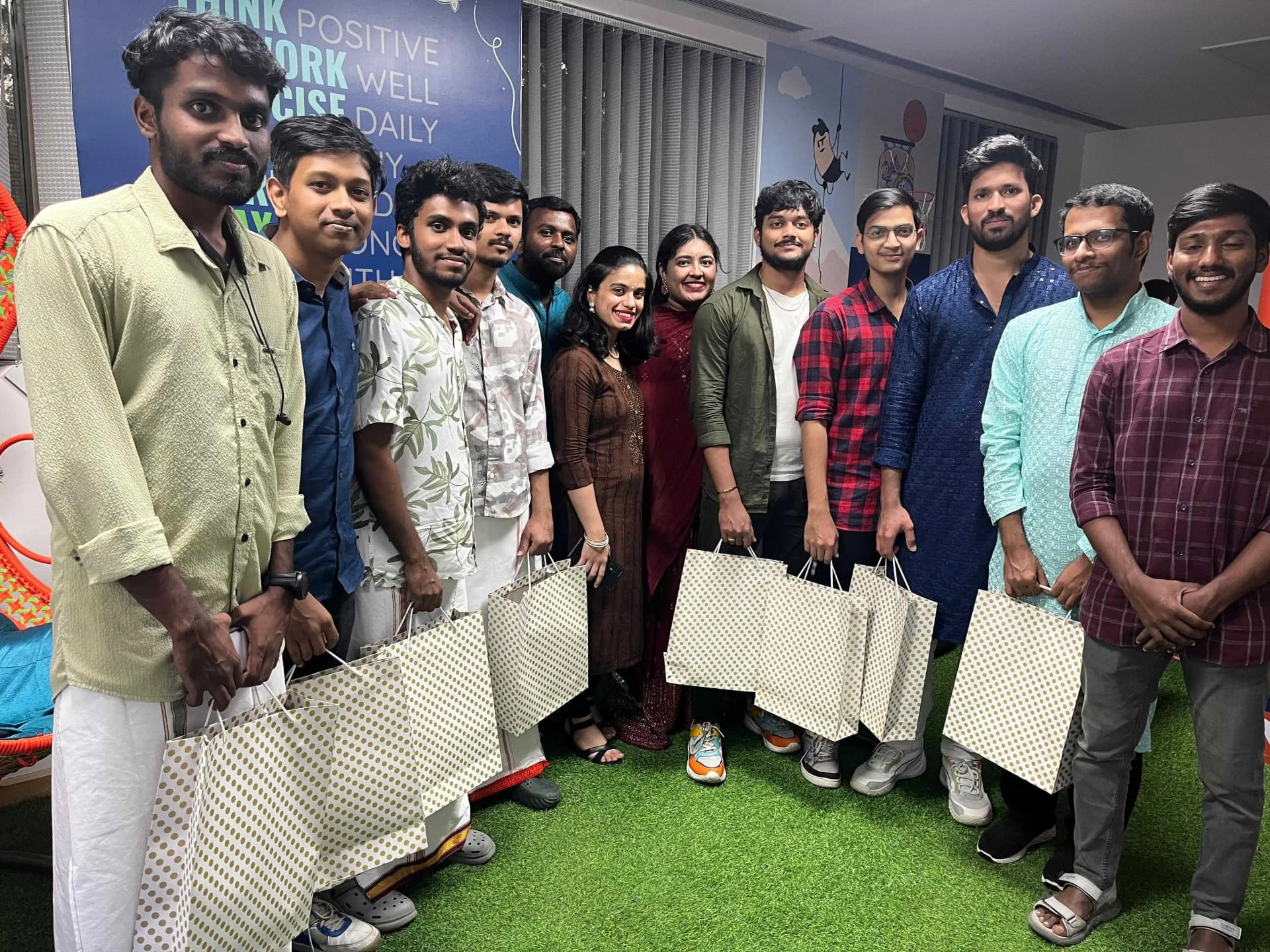
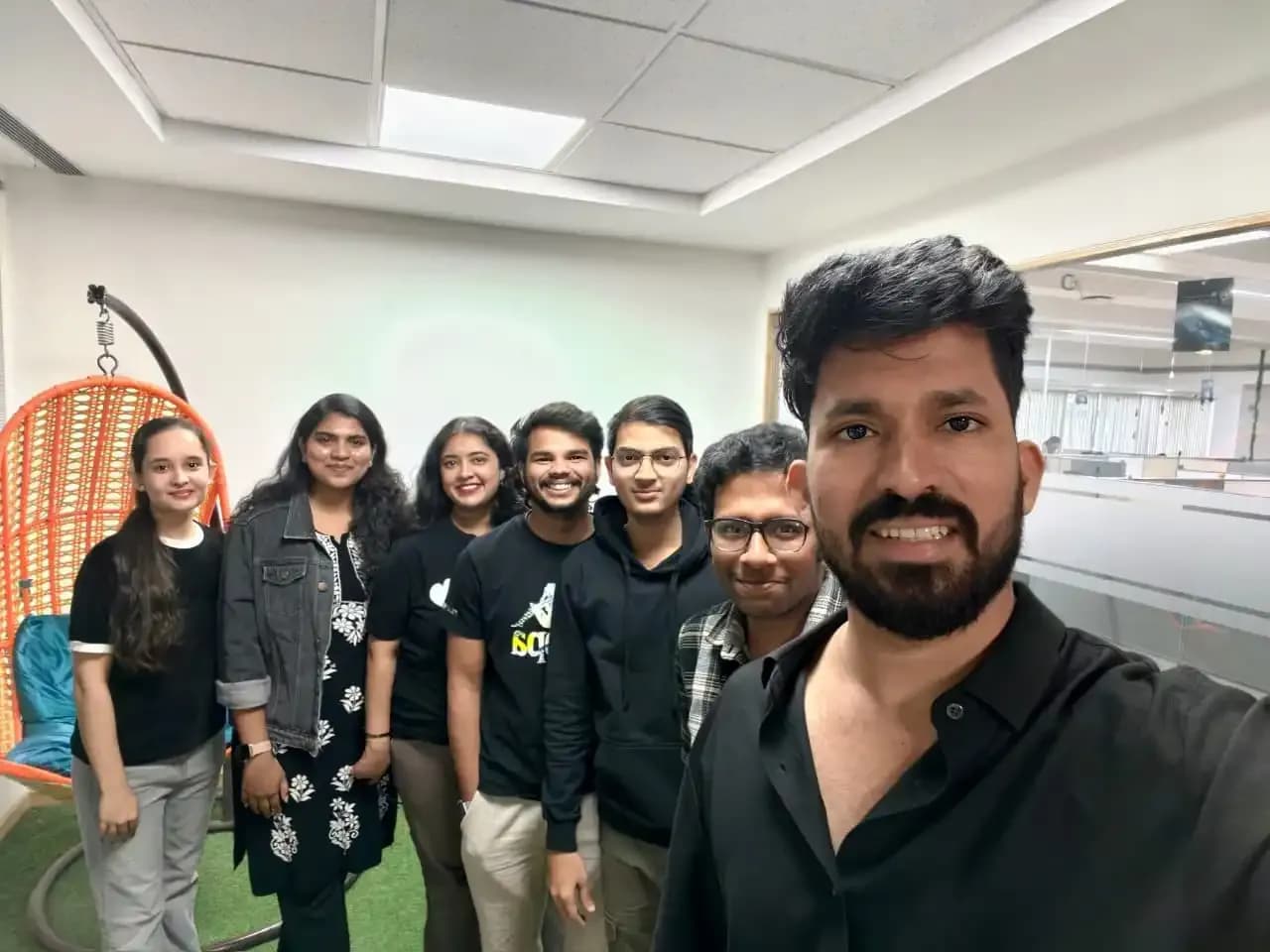
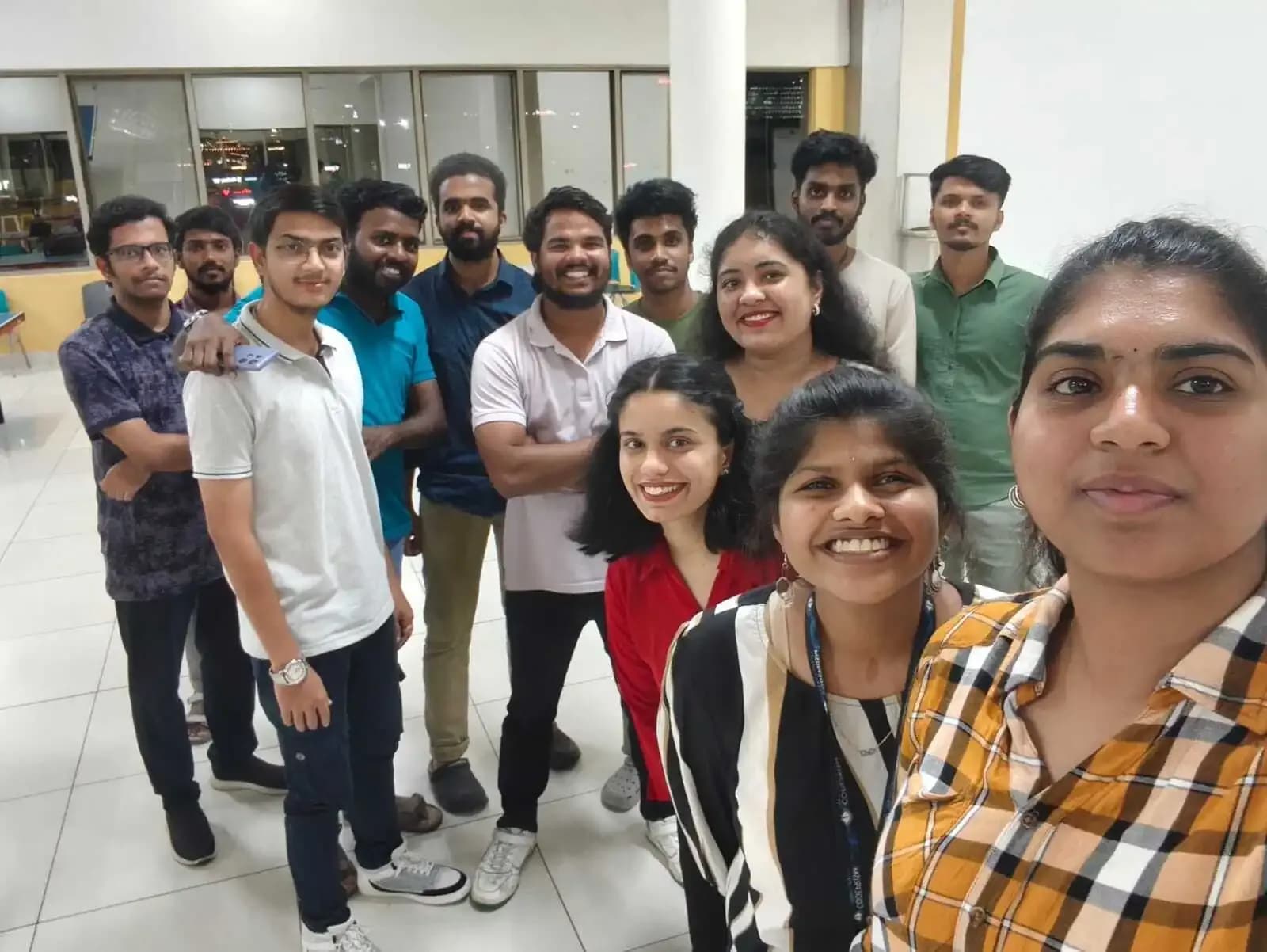
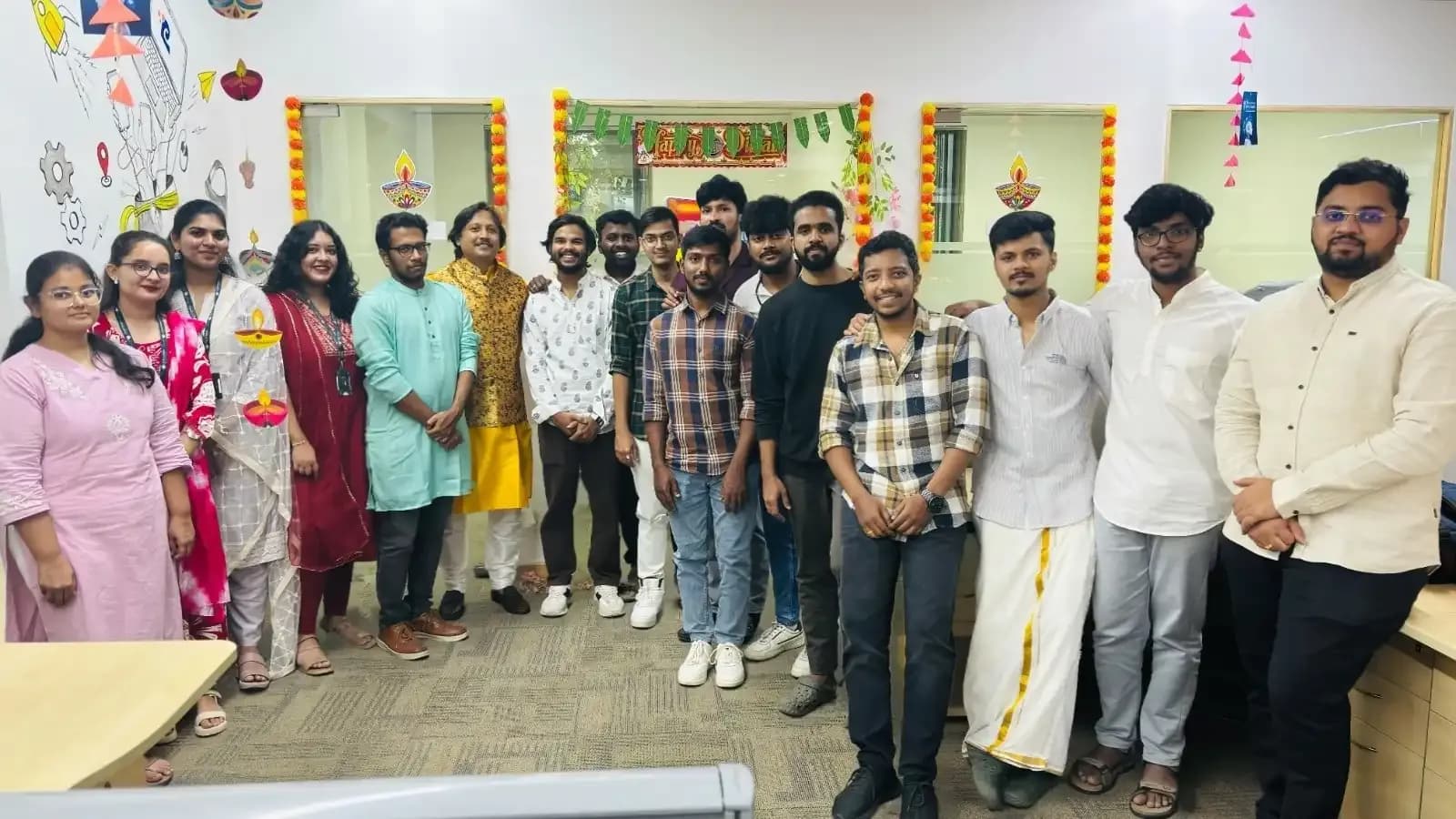
Life at CodePrism
A glimpse of our vibrant culture, celebrations, and team moments.

Frequently asked questions
Is CodePrism hiring right now?
The open roles list on this page is generated from our live listings, so it is accurate the moment you load it. We only advertise positions we are actively interviewing for, which means an empty list is a real answer rather than a stale page or a broken feed. Roles appear there as soon as they are approved, and we do not announce them anywhere else first, so there is no separate mailing list or job board to watch.
What roles does CodePrism hire for?
Most hiring lands in AI and machine learning, backend, mobile, and web, with quality engineering close behind. Design, architecture, and delivery roles open less often and usually one at a time, and we occasionally hire outside engineering in sales, marketing, and accounts. Across all of them we lean toward generalists rather than narrow specialists, because a feature here is normally owned by one person from the data model through to the production incident instead of being handed between teams.
What is the interview process like?
Five stages, ending with a founder conversation, and most candidates get through all of them in two to three weeks. There is no unpaid take-home assignment and no whiteboard puzzle with a single trick answer, because neither tells us much about how someone works. What we are actually assessing is how you decompose a problem, what you do when you reach something you do not know, and whether you can defend a trade-off to someone who disagrees with you. Interviews run on video by default and can be rescheduled without it counting against you.
Do you hire freshers and interns?
Yes, when a team has the bandwidth to mentor properly. We do not hire juniors to absorb the work nobody senior wants, because that produces neither good software nor good engineers. Fresher and intern roles are posted the same way as everything else, with the experience level stated on the listing. If a role does not name an experience range, assume it is aimed at engineers who have shipped something to production before.
Is remote work an option?
Remote is offered per role rather than as a company-wide policy, and each listing states which applies, so it is worth reading that line before you apply. Where a client engagement runs on a shared sprint cadence, the team usually expects some working-hour overlap rather than fully asynchronous work. We would rather put that on the listing than raise it after you have accepted.
What technologies would I work with?
It depends on the team, and no single engineer touches all of it. TypeScript and Python dominate, Java turns up on longer-running client platforms, and mobile work splits between Flutter and React Native. You will not be expected to arrive knowing the whole stack. What matters is whether you can become productive in a codebase that is already in production, where the real constraint is decisions other people made two years ago rather than a blank file. When a listing marks a technology as required rather than preferred, the team needs someone productive in it from the first week.
Do you hire contract and part-time engineers?
Yes. The open roles list filters by full time, part time, contract, and intern, and all four are real. Contract engagements usually exist because a client platform needs a specific skill for a defined window, so they are scoped and time-boxed, and the listing states the expected duration. Part-time roles are rarer and skew senior, where what we need is a few days a month of a specialist's judgment rather than steady throughput.
How do you support growth and learning?
Progression here is a conversation about scope you are already carrying, not a ladder with annual review windows. It gets decided between your team lead and one of the founders, and the engineers who move first are the ones taking architecture decisions, mentoring newer team members, or owning a client relationship directly. One consequence worth knowing as an applicant: because we are small, senior openings are sometimes filled internally before they are ever posted, so the roles you see advertised skew toward mid-level and below.
How long does it take to hear back after applying?
Within a week for an actively open role, whichever way the answer goes. Two cases behave differently. If the role fills while your application is in flight, you will get a short note rather than an interview loop. If you sent a speculative profile when nothing was open, a long silence is normal, because we only come back when a matching role opens. You can apply for a different role at any time, and applying again later once your experience has moved on is fine.
Don't see your role listed?
We hire great people even when we don't have an open role. Send us your profile.
Get in touch